

BEING HUMAN
With the Humans Beings We Interact With
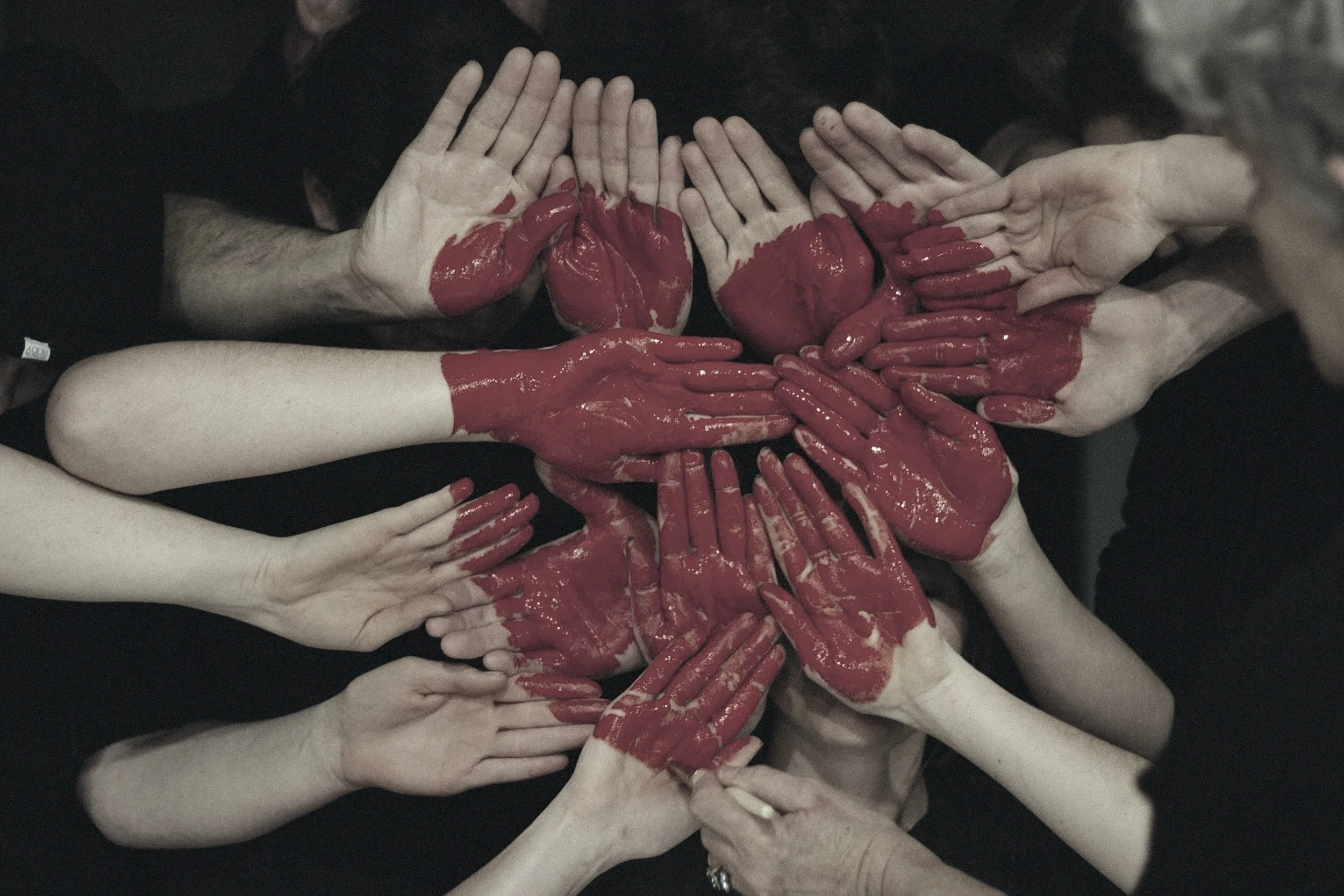
Advances in technology and AI, alongside changing workplace and system structures, can make it easy to forget something fundamental:
the person in front of us is not a robot. they are a complex, unique, living, human being.
Effective communication, conflict resolution, and stability across teams and organisations are not only about outcomes. They depend on whether, in the moment of interaction, three human questions are answered
Can I trust you?

Are you meeting me where I am?

Do you care?

My Unique Approach
My approach is grounded in the understanding that successful communication requires attention to the physical, mental, and emotional dimensions of human interaction, particularly under stress.
It is supported by a simple, repeatable process that can be applied across corporate, healthcare, education, and legal settings.
The Process

REGULATE
Find steadiness first.
When people are under pressure, stress affects their ability to think clearly, listen, and respond. Regulation focuses on establishing calm and steadiness in ourselves so that we can offer that stability to the person in front of us.
This does not mean avoiding emotion or difficult conversations. It means remaining grounded enough to communicate clearly, hold boundaries, and prevent unnecessary escalation.

ARTICULATE
Make communication clear & digestible.
Under stress, people struggle to absorb complex or higher-level information. Articulation focuses on how messages, decisions, and boundaries are communicated by using clear language, appropriate pacing, and thoughtful delivery so information can be understood rather than overwhelming.
Clear articulation supports predictability, fairness, and trust, even when outcomes are difficult or unchanged.

CO-CREATE
Find workable solutions together.
Where choice and flexibility are possible, co-creation supports collaboration rather than compliance. This involves exploring options, reframing constraints and allowing appropriate choices so individuals remain engaged rather than shut down.
Co-creation does not mean removing responsibility or diluting boundaries. It means working within constraints to find solutions that are realistic, respectful, and sustainable for both people and systems.
How this is applied
This process is supported by practical awareness across three interconnected areas

PHYSICAL
Practical, body-based tools that support awareness of how communication is received physically- including posture, body language, pace, and other physiological responses that shape how messages land under stress.
MENTAL
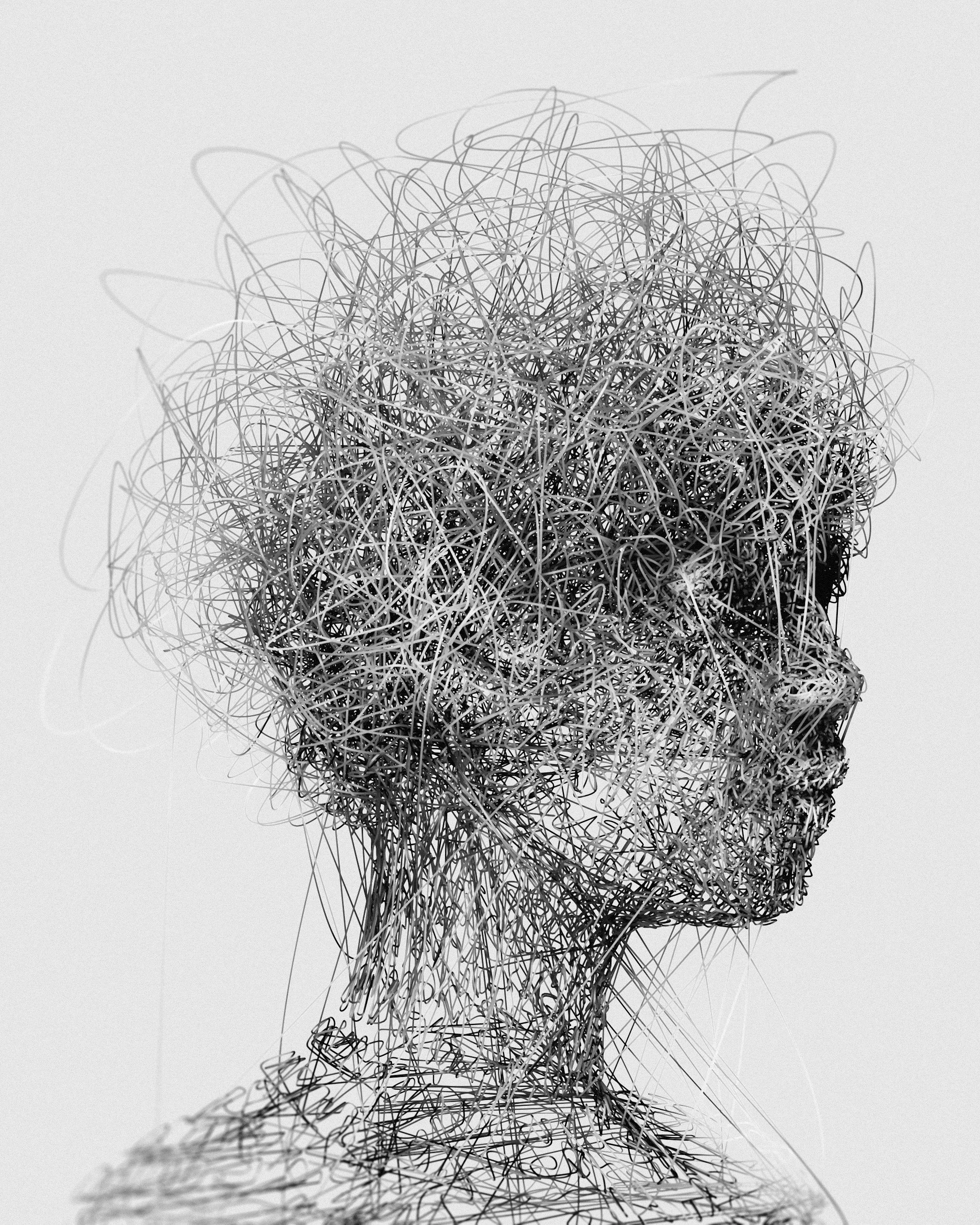
Clear and consistent communication techniques that take account of how stress affects thinking, behaviour, decision-making, and motivation, supporting steadier judgement and more predictable responses.

EMOTIONAL
Structured approaches for managing emotionally charged situations and conflict safely and professionally, reducing escalation while maintaining clarity, boundaries, and fairness.